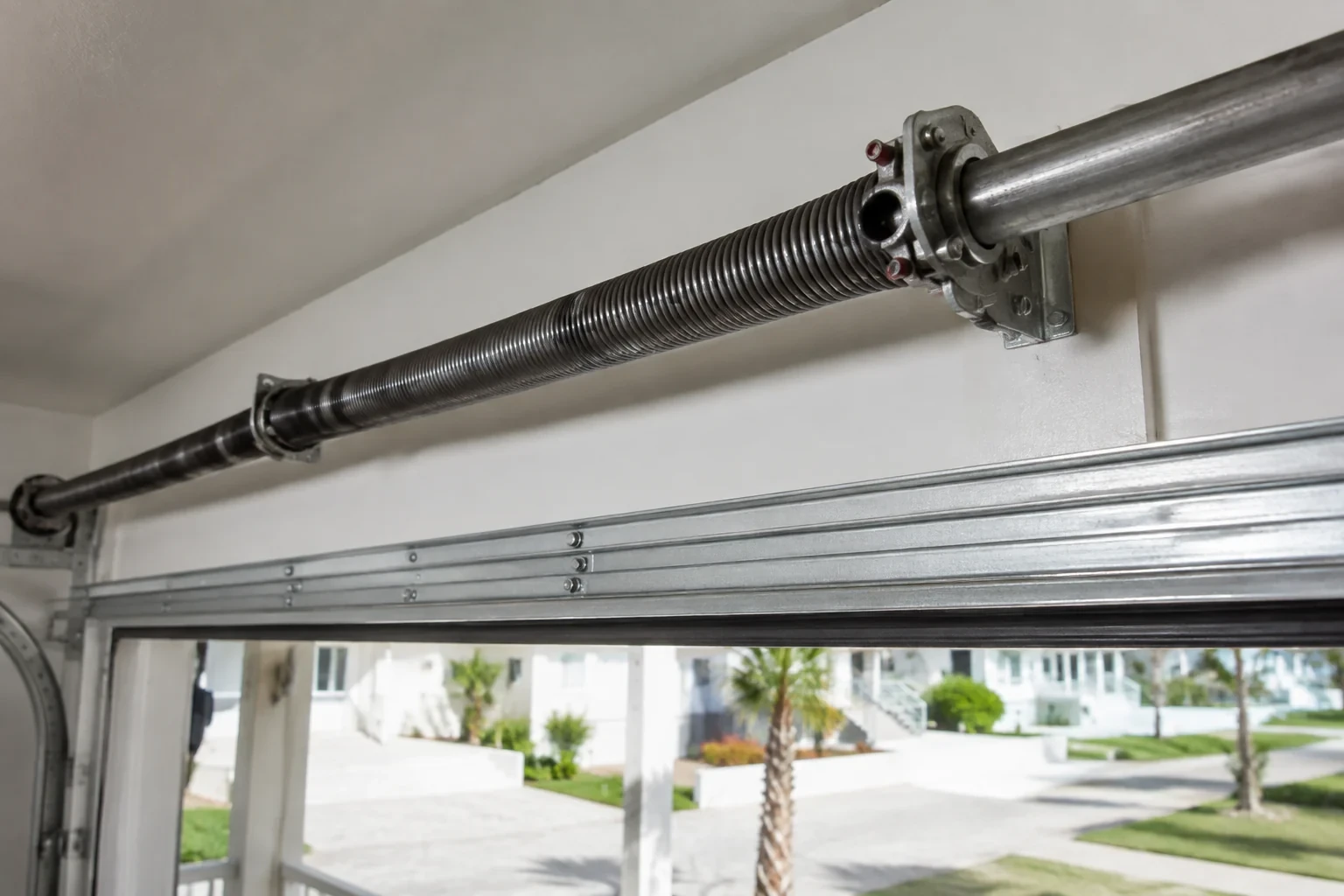
Garage Doors
Door will not lift
Start with the symptoms; the counterbalance needs assessment.
Explore the service ↗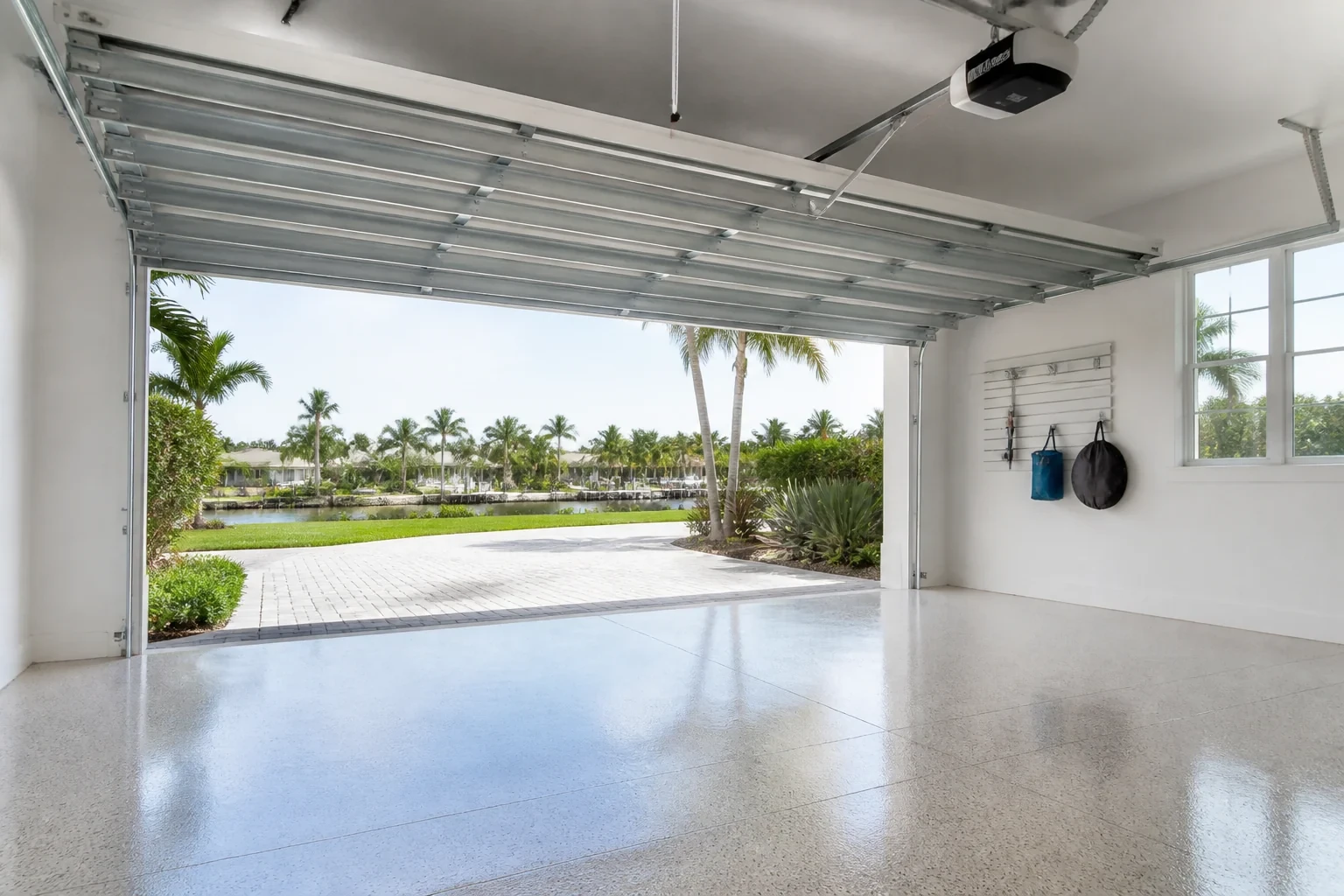
GilroyGarage Doors
Explore sectional, insulated-steel and carriage-house door options. Discuss the opening, track arrangement, hardware and removal scope when comparing installation proposals.
(669) 286-3725Garage Doors
Start with the symptoms; the counterbalance needs assessment.
Explore the service ↗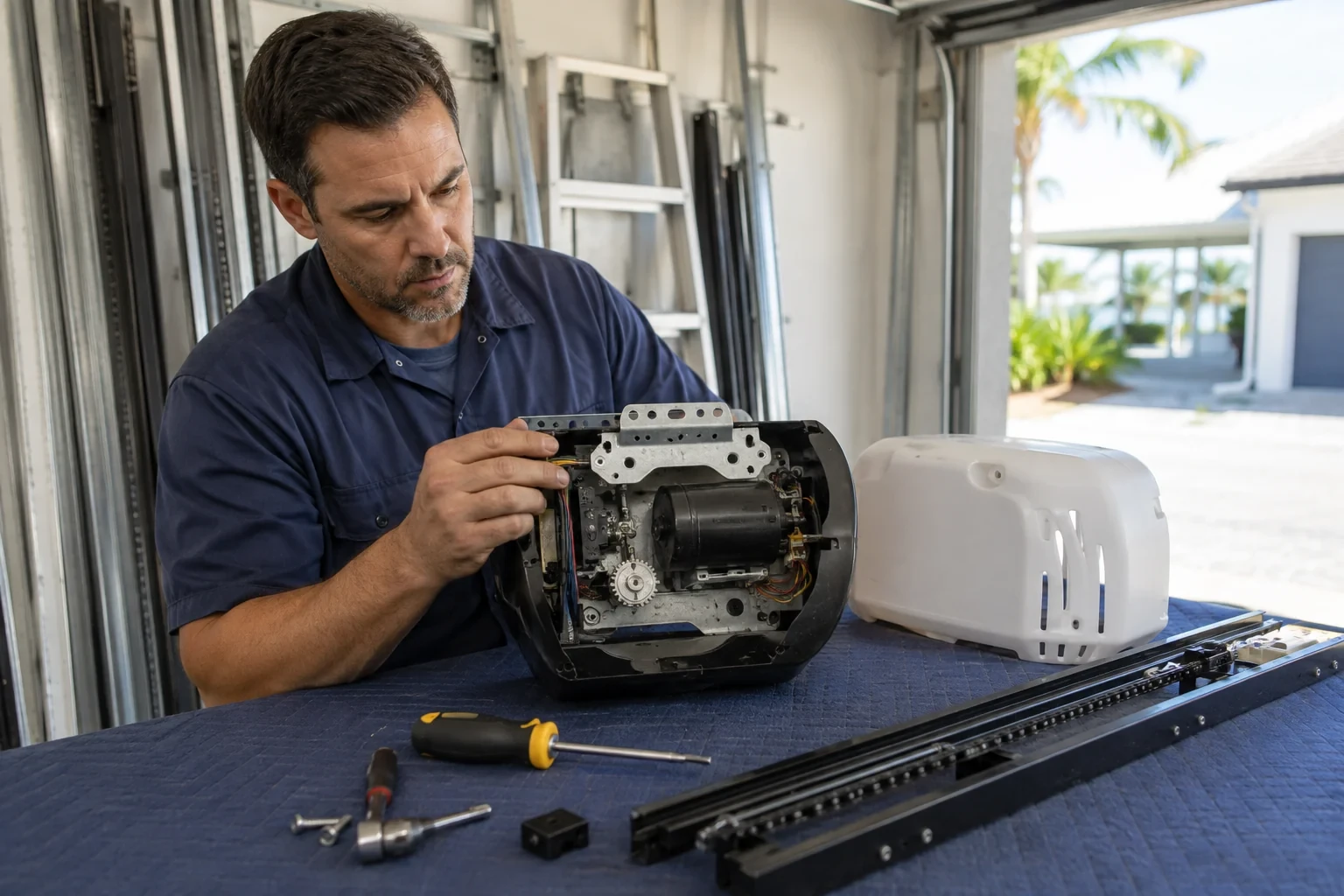
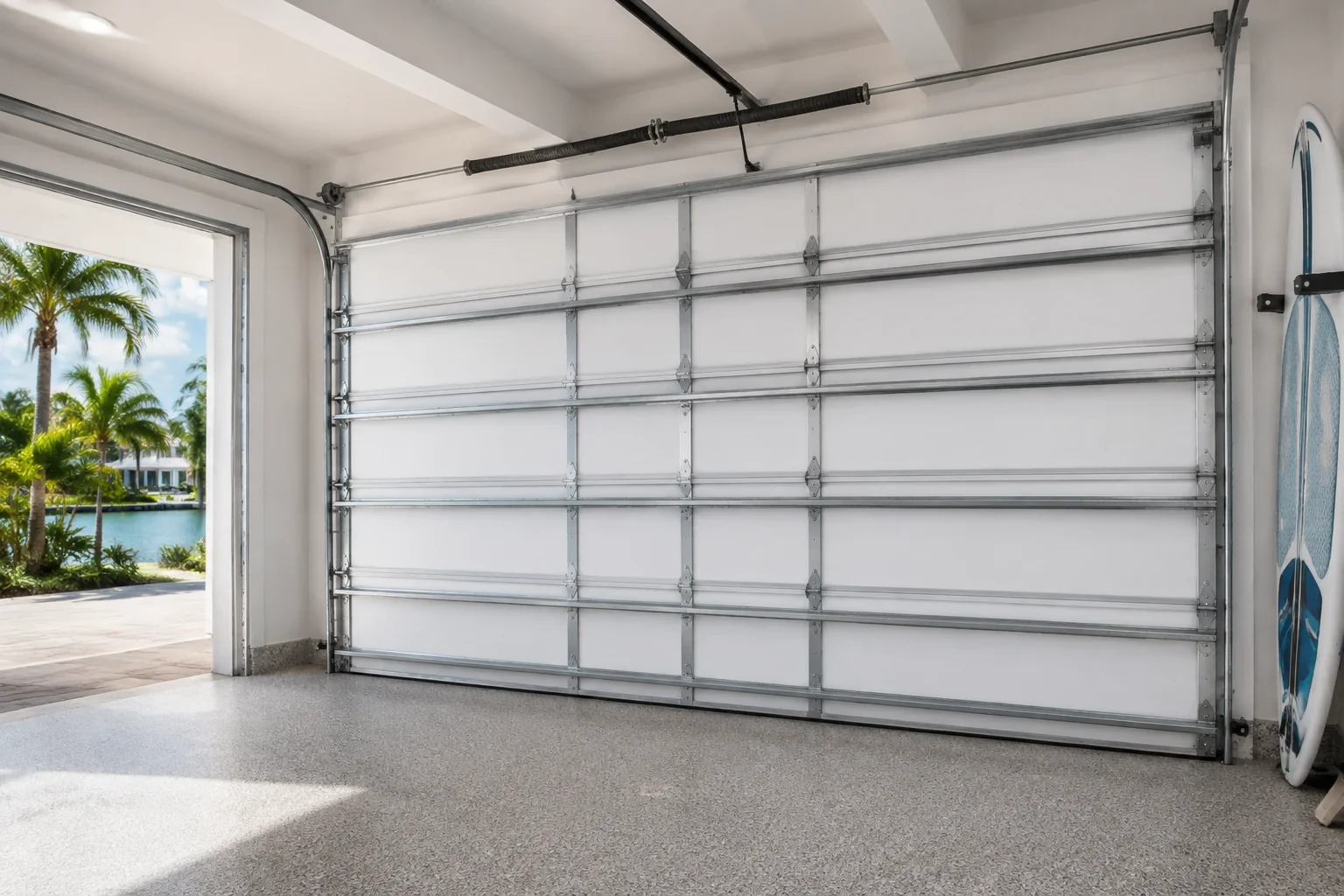
Garage Doors
Discuss the opening, product documents and project requirements.
Explore the service ↗The movement, revealed
Panels, rollers and the overhead drive work together. Take a closer look at the movement behind your everyday entrance.
Before the visit
Gilroy
Explore the services for your property and confirm your address when you call.
Gilroy states that a permit is required for projects such as new construction, additions, remodeling, repairs and extensions to electrical, mechanical and plumbing systems, and its published examples include window replacements, sliding doors, skylights, garage conversions, furnace and water heater replacements, and fireplaces and fireplace inserts. It asks anyone in doubt to call the building division. Confirm the address, the proposed scope and which permits apply with the City of Gilroy before work starts. This reference concerns the City of Gilroy; it does not establish requirements for a neighbouring jurisdiction or for an individual property.
Source for planning your work ↗The US Consumer Product Safety Commission says garage door openers made or imported for sale in the United States after 1 January 1991 must have reversing systems, and that a requirement for an external entrapment protection system — an electric eye or edge sensor — was added in 1993. Where an electric eye is used, CPSC says it should sit 4 to 6 inches above the floor, and it asks homeowners to check the door and opener every 30 days. Ask which safety checks are part of the visit. This is national safety guidance, not an assessment of your own opener.
Source for local context ↗Area-wide context is not a finding about your own property.
Before you decide
Separate the door itself from the opener and its hardware. A worn roller, damaged seal or opener fault does not automatically require a new door. Ask which component failed, whether compatible parts are available and whether the panels, tracks and supporting hardware remain suitable. Compare a repair proposal with replacement only after the condition and scope are explained.
Describe what happens when you use the wall control and the remote, any unusual sound, and whether the door moves partway or stays still. If accessible without climbing or removing a cover, note the opener model. These observations help prepare the visit; they do not establish which part needs replacement.
Compare the door material, insulation specification, panel and window style, hardware and opener compatibility. Ask whether removal of the old equipment, installation, adjustment and completion checks are included. For a property with wind-load requirements, ask for the product documentation and applicable installation requirements rather than relying on appearance.
Sound is a useful clue, but several components can create similar symptoms. Describe whether it occurs at the start, near a curve in the track, or throughout travel. A useful assessment checks the door system before proposing parts, and explains the observed fault instead of treating every noise as an opener problem.
Keep access to the doorway, wall control and equipment clear. Put pets and children away from the work area and gather any previous invoices or model information. Tell the provider about limited clearance, vehicles that cannot be moved or a door that is stuck before the appointment.
Tell us what it is doing and we will call you back.